
News News
Cricket equipment checklist 2026: essential gear for UK players Cricket equipment checklist 2026: essential gear for UK players
Choosing cricket equipment can be overwhelming due to the many options impacting your game and safety. A comprehensive checklist ensures you select the right gear for performance and protection. This article guides UK amateur and professional players on essential cricket equipment selection in 2026, helping you make confident decisions that enhance your playing experience.
Table of Contents
- Selection Criteria: How To Choose Cricket Equipment
- Cricket Bats: Selection And Suitability
- Protective Gear: Helmets And Pads
- Cricket Footwear: Choosing The Right Pair
- Comprehensive Cricket Equipment Checklist
- Budget And Pricing Considerations
- Situational Recommendations: Choosing What Fits Your Game
- Explore Quality Cricket Equipment At Cricket Bats Com
- Frequently Asked Questions
Key takeaways
| Point | Details |
|---|---|
| Essential cricket gear includes bat, helmet, gloves, pads, shoes, and bag | Each item plays a vital role in performance and player safety on the pitch |
| Safety certifications, such as BS7928 for helmets, are critical in UK cricket | Compliance with British standards protects players from serious head injuries |
| Bat type and weight affect performance and comfort | English willow offers power whilst Kashmir willow suits beginners with lighter handling |
| Footwear choice depends on UK pitch conditions and player needs | Spike type selection varies based on surface grip requirements and weather |
| Budget and playing level influence equipment selection | Investment priorities differ between amateur practice and professional competition |
Selection criteria: how to choose cricket equipment
Making informed equipment choices requires evaluating multiple factors specific to your playing situation. Your skill level directly influences the quality and type of gear you need, whilst typical UK playing conditions determine durability requirements.
Safety certification stands paramount, especially for protective equipment. BS7928 compliance for helmets reduces serious injury risk significantly. Material quality affects longevity and performance, whether examining willow types in bats or spike configurations in footwear.
Weight and comfort considerations match equipment to your playing style and physical endurance. Heavier bats deliver more power but increase fatigue, whilst lighter options enable quicker reactions. Price must balance against performance standards and safety compliance, particularly when selecting certified protective gear.
Pro Tip: Prioritise certified helmets meeting BS7928:2013 standards before investing in premium bats, as head protection cannot be compromised regardless of budget constraints.
When evaluating options, consider these essential criteria:
- Skill level: Beginner, intermediate, or advanced playing standard
- Playing environment: Indoor nets, club matches, or professional competitions
- Frequency: Occasional recreational play versus regular competitive fixtures
- Physical factors: Height, strength, and dominant hand affecting equipment sizing
- Budget allocation: Balancing essential safety gear with performance enhancements
Follow this systematic approach:
- Identify your primary playing role (batsman, bowler, all-rounder, wicketkeeper)
- Determine mandatory safety equipment meeting UK certification standards
- Assess performance gear based on playing style and conditions
- Compare material quality and durability across price points
- Verify equipment sizing through proper fitting before purchase
Understanding cricket bat differences helps distinguish quality factors affecting shot execution. Research shows that proper equipment selection improves game performance by matching gear characteristics to player capabilities.
Cricket bats: selection and suitability
Your bat represents the most personal equipment choice, directly influencing stroke play and confidence at the crease. English willow bats offer superior performance with exceptional power transfer and durability, commanding premium prices between £200-£600. Kashmir willow provides cost-effective alternatives for beginners, typically ranging £50-£150, though requiring more frequent replacement.
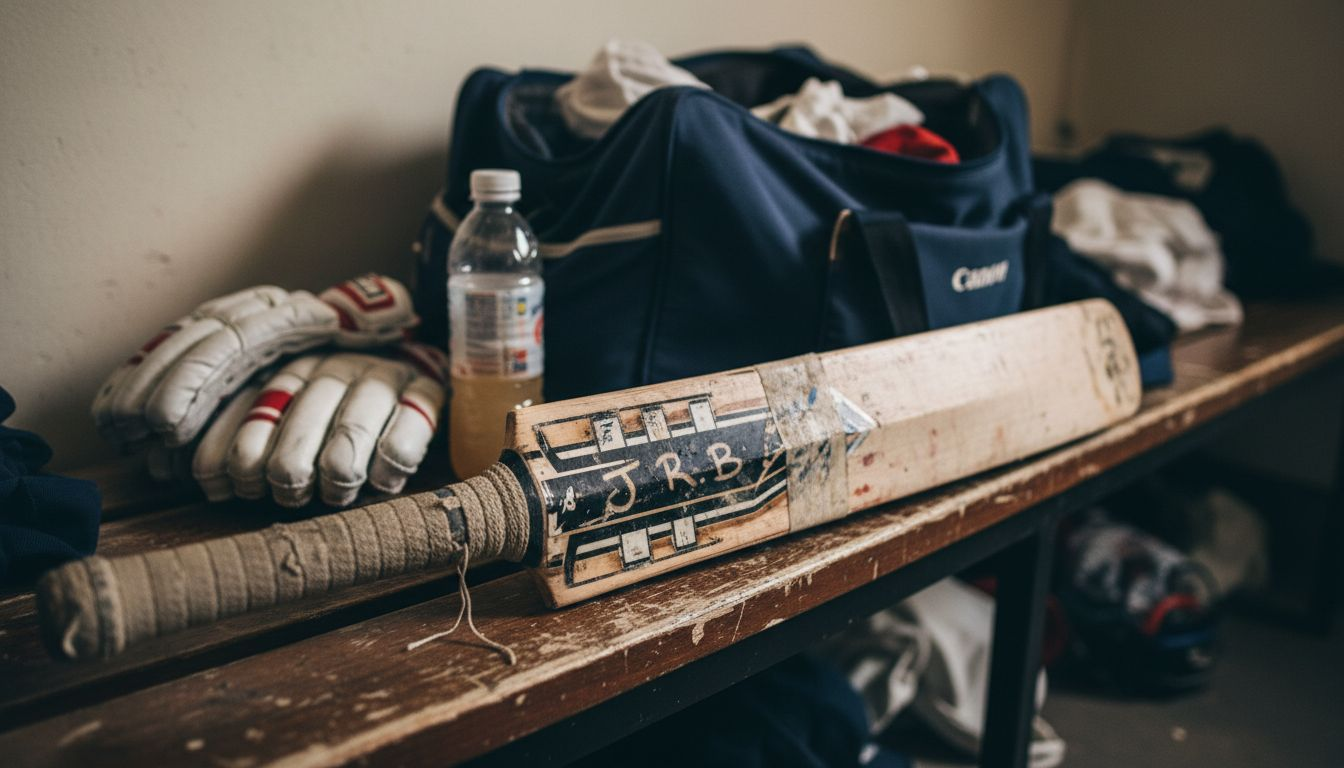
Bat weight significantly affects swing speed and fatigue management during long innings. Lighter bats (2lb 7oz to 2lb 9oz) suit younger players and enable quicker shots, whilst heavier options (2lb 10oz to 3lb) deliver greater momentum for power hitting. Your physical strength and batting technique should guide weight selection.
Bat profiles determine sweet spot positioning and shot versatility. Mid-positioned sweet spots suit all-round batting, high profiles favour lofted shots, and low profiles excel at grounded strokes. Choosing the right cricket bat based on your natural batting style maximises effectiveness.
| Willow Type | Durability | Weight Range | Recommended Use | Price Range |
|---|---|---|---|---|
| English Willow Grade 1 | Excellent | 2lb 8oz - 2lb 11oz | Professional/Advanced | £400-£600 |
| English Willow Grade 2 | Very Good | 2lb 7oz - 2lb 10oz | Intermediate/Club | £250-£400 |
| English Willow Grade 3 | Good | 2lb 7oz - 2lb 10oz | Club/Amateur | £150-£250 |
| Kashmir Willow | Moderate | 2lb 6oz - 2lb 9oz | Beginner/Practice | £50-£150 |
Gunn & Moore bats remain highly regarded among UK players for consistent quality and performance. Understanding bat grade differences helps match willow quality to your playing standard and budget. The grain structure indicates wood quality, with straighter grains suggesting better performance characteristics.
Pro Tip: Select a bat matching your dominant shot types, testing the pickup weight and balance point before purchase to ensure comfortable stroke execution throughout extended innings.
Handle type affects shock absorption and grip comfort. Round handles suit traditional grip styles, whilst oval handles provide defined hand positioning. Consider visiting a specialist retailer to assess various cricket bat options through hands-on comparison before committing to purchase.
Protective gear: helmets and pads
Protective equipment safeguards against serious injury, making safety certification non-negotiable for UK players. Helmets meeting BS7928:2013 standards undergo rigorous impact testing ensuring adequate head and face protection against fast bowling.
Modern helmets incorporate advanced shock absorption technology, distributing impact forces across the shell structure. Titanium grilles offer superior protection whilst maintaining visibility, and adjustable sizing systems ensure secure fitting during rapid movement. Ventilation features prevent overheating during warm weather matches.
Leg pads have evolved significantly with innovations in foam density and strategic padding placement. Traditional pads use cotton and cane construction, whilst advanced models employ high-density foam and lightweight synthetic materials. The choice depends on protection priorities versus mobility preferences.
| Feature | Traditional Pads | Advanced Pads |
|---|---|---|
| Weight | Heavier (1.2-1.5kg) | Lighter (0.8-1.1kg) |
| Protection | Good impact absorption | Excellent with multi-layer foam |
| Mobility | Moderate flexibility | Enhanced movement freedom |
| Durability | Very durable | Good with proper care |
| Price Range | £40-£80 | £90-£200 |
| Best For | Club players, practice | Competitive matches, professionals |
Amateur players require helmets and pads meeting minimum safety standards for recreational cricket. Professional players face faster bowling requiring premium protection with superior impact resistance. Wicketkeepers need specialised pads designed for crouching positions and frequent ball contact.
Gloves form another critical protective element. Batting gloves feature reinforced finger protection and palm padding, whilst wicketkeeping gloves prioritise flexibility and ball grip. Proper sizing ensures adequate protection without restricting hand movement during shots or catches.
Safety standards continue evolving based on injury research. The British Standard BS7928:2013 specifically addresses facial protection, mandating grille strength capable of withstanding cricket ball impacts at various speeds. Verify certification markings before purchase to ensure compliance.
Cricket footwear: choosing the right pair
Footwear selection dramatically affects traction, stability, and injury prevention on UK pitches. Spike configuration determines grip characteristics, with three primary options available to modern players.
Metal spikes provide maximum traction on soft, grassy surfaces common in wet UK conditions. They penetrate pitch surfaces effectively but require careful maintenance and may damage indoor facilities. Rubber spikes offer comfortable, versatile performance across multiple surface types with minimal maintenance needs.
Hybrid spike systems combine metal and rubber elements, delivering adaptable traction for varied conditions. Recent data indicates hybrid spike popularity has increased 34% among UK club players due to versatility and reduced pitch damage concerns.
Consider these footwear selection factors:
- Pitch surface: Grass, artificial turf, or indoor matting
- Weather conditions: Wet, dry, or variable UK climate
- Playing position: Fast bowlers need ankle support, batsmen prioritise comfort
- Match frequency: Durability requirements for regular versus occasional use
- Ground regulations: Some facilities restrict metal spikes
Proper shoe fit prevents blisters and supports natural foot movement during running and pivoting. Leave approximately one centimetre space at the toe whilst ensuring snug heel fitting. Quality cricket shoes feature reinforced toe protection for bowlers and cushioned midsoles for shock absorption.
Pro Tip: Match footwear to your most frequently encountered pitch conditions, investing in hybrid spikes if you regularly play across different surface types throughout the season.
Durability depends on construction quality and maintenance practices. Leather uppers offer breathability and mould to foot shape, whilst synthetic materials provide weather resistance and easier cleaning. Replace cricket shoes showing sole separation, worn spike points, or inadequate ankle support.
Comprehensive cricket equipment checklist
Systematic equipment selection ensures you acquire all necessary items meeting appropriate safety and performance standards. This checklist covers essential gear with specifications tailored for UK amateur and professional players.
| Item | Amateur Specifications | Professional Specifications | Safety/Performance Standard |
|---|---|---|---|
| Cricket Bat | Kashmir/Grade 3 English willow, 2lb 7oz-2lb 9oz | Grade 1-2 English willow, 2lb 8oz-2lb 11oz | Properly seasoned, no cracks |
| Helmet | BS7928:2013 certified, adjustable fit | BS7928:2013 certified, titanium grille | Replace after significant impact |
| Batting Gloves | Finger protection, palm padding | Premium leather, reinforced protection | Fits snugly without restricting grip |
| Leg Pads | Traditional or entry advanced, adequate coverage | Advanced multi-layer foam, lightweight | Knee to ankle protection |
| Cricket Shoes | Rubber or hybrid spikes, comfortable fit | Premium hybrid or metal spikes | Ankle support, cushioned sole |
| Cricket Bag | Sufficient capacity for essential gear | Large capacity, compartmentalised | Weather-resistant, padded straps |
Core equipment forms the foundation, but additional items enhance convenience and protection:
- Batting pads (inner thigh guards) for close-in fielding positions
- Abdominal guard (box) providing essential lower body protection
- Wicketkeeping gloves if filling this specialist role
- Spare grips and bat maintenance oil extending equipment life
- Protective arm guards for batsmen facing fast bowling
Maintenance practices significantly extend equipment longevity. Store cricket bats in cool, dry conditions away from direct sunlight and extreme temperatures. Clean pads and gloves after each use, allowing thorough drying before storage. Inspect helmets regularly for crack damage or loose fittings requiring replacement.
Oil English willow bats periodically during playing season to maintain moisture content and prevent splitting. Kashmir willow requires less maintenance but benefits from occasional light oiling. Replace worn bat grips immediately to maintain proper handle control during shots.
Explore complete cricket gear options meeting UK standards and player requirements. Systematic preparation using a complete sporting checklist ensures readiness for any match situation.
Budget and pricing considerations
Understanding equipment pricing tiers helps allocate resources effectively whilst meeting essential safety requirements. Budget planning should prioritise protective gear before investing in premium performance equipment.
Beginner-grade equipment typically ranges £200-£400 for complete kit including bat, helmet, pads, gloves, and shoes. Intermediate players investing in improved quality should budget £500-£800, whilst professional-grade gear often exceeds £1,200 for comprehensive setup.
Material quality and safety certifications significantly influence pricing. BS7928-certified helmets cost more than uncertified alternatives but provide essential protection justifying the investment. English willow bats command premium prices due to superior performance characteristics and longer lifespan compared to Kashmir willow alternatives.
Cost-benefit analysis principles guide smart equipment investments. Calculate cost per use by dividing equipment price by expected lifespan in playing sessions. Premium items used frequently offer better value than cheap gear requiring frequent replacement. Branded bats provide long-term value through consistent quality and durability.
Balance budget constraints with non-negotiable safety requirements:
- Never compromise helmet certification to save money
- Invest in proper protective padding meeting minimum standards
- Quality cricket shoes prevent injuries worth far more than cost savings
- Budget-friendly bats perform adequately whilst building skills
- Prioritise essential items before purchasing optional accessories
Popular UK retailers offer various price points accommodating different budgets. Specialist cricket shops provide expert fitting advice and quality guarantees, whilst online retailers often feature competitive pricing on branded equipment. End-of-season sales present opportunities for significant savings on previous year models maintaining full functionality.
Situational recommendations: choosing what fits your game
Tailoring equipment choices to your specific playing situation optimises both performance and value. Individual circumstances including skill level, playing environment, and physical characteristics should guide final selections.
Amateur players benefit from lightweight Kashmir willow bats (2lb 6oz to 2lb 8oz) that reduce handling fatigue whilst developing proper technique. These cost-effective options allow skill progression without significant financial commitment. Focus budget allocation on certified protective gear rather than premium bats during early playing stages.
Professional players require English willow bats (Grade 1 or 2) offering superior power transfer and durability for competitive matches. Weight selection between 2lb 9oz and 2lb 11oz depends on batting style and physical strength. Customised bat profiles matching dominant shot selection maximise effectiveness at advanced levels.
All players must prioritise helmets meeting BS7928:2013 certification regardless of skill level or budget constraints. Head protection cannot be compromised as injury severity remains identical across playing standards. Replace helmets showing any crack damage or after sustaining significant impacts.
Hybrid spike cricket shoes suit players facing varied UK pitch conditions throughout the season. This versatility eliminates needing multiple pairs whilst maintaining adequate traction across grass, artificial, and indoor surfaces. Fast bowlers should prioritise ankle support features preventing injury during delivery stride.
Accessory choices align with specific playing roles. Wicketkeepers need specialised gloves prioritising flexibility and ball grip over batting glove designs. Opening batsmen facing new ball attacks benefit from additional forearm protection. Spin bowlers may prefer lighter shoes enhancing pivot movement during delivery.
Quick reference for situational equipment selection:
- Weekend recreational players: Kashmir willow bat, certified helmet, traditional pads, rubber spike shoes
- Regular club cricketers: Grade 3 English willow bat, certified helmet with titanium grille, advanced pads, hybrid spike shoes
- Competitive league players: Grade 2 English willow bat, premium certified helmet, lightweight advanced pads, specialist footwear
- Professional cricketers: Grade 1 English willow bat, top-specification helmet, professional-grade protective gear, premium hybrid spikes
Consult comprehensive bat selection guidance providing detailed recommendations based on playing style, physical attributes, and performance goals. Proper equipment matching to individual circumstances enhances both enjoyment and effectiveness on the pitch.
Explore quality cricket equipment at Cricket Bats Com
Finding the right cricket equipment becomes straightforward when working with knowledgeable specialists. Cricket Bats Com offers expert advice and quality cricket bats, protective gear, footwear, and accessories tailored for UK players at every level.

Browse professional-grade and beginner equipment backed by trusted brands like Gunn & Moore, ensuring you receive reliable performance and proper safety compliance. The comprehensive selection covers everything from entry-level Kashmir willow bats to premium English willow options meeting competitive standards.
Access informative bat selection guidance and cricket player resources helping you make confident purchasing decisions. The blog content addresses common equipment questions whilst keeping you informed about latest product innovations and safety standards.
Make confident purchases knowing your gear meets both safety requirements and performance expectations for UK playing conditions. Expert recommendations ensure proper equipment matching to your skill level and playing style.
Frequently asked questions
What are the most essential cricket equipment items for UK players?
The core essentials include a properly sized cricket bat, BS7928-certified helmet, batting gloves, leg pads, cricket shoes with appropriate spikes, and an abdominal guard. These items provide fundamental protection and enable safe participation in matches and practice sessions.
How do I choose between English willow and Kashmir willow cricket bats?
English willow suits intermediate to professional players seeking superior performance and durability, whilst Kashmir willow offers cost-effective options for beginners developing technique. Consider your skill level, playing frequency, and budget when selecting willow type.
What safety certifications should cricket helmets meet in the UK?
All cricket helmets must meet BS7928:2013 certification standards, ensuring adequate protection against ball impacts. This British Standard specifies minimum requirements for shell strength, facial protection, and retention system performance. Never compromise on helmet certification regardless of price considerations.
Which cricket shoe spike type works best for UK pitch conditions?
Hybrid spikes combining metal and rubber elements provide optimal versatility for varied UK pitch conditions including grass, artificial turf, and changing weather. They offer adaptable traction whilst reducing pitch damage concerns compared to full metal spikes.
How often should I replace my cricket equipment?
Replace helmets immediately after significant impacts or every 3-4 years regardless of visible damage. Cricket bats last 2-5 seasons depending on willow type and usage frequency. Shoes require replacement when spikes wear down or sole separation occurs. Protective padding needs renewal when foam compression reduces impact absorption.
What budget should I allocate for complete cricket equipment as a beginner?
Beginner players should budget £200-£400 for complete essential kit including bat, certified helmet, gloves, pads, and shoes. Prioritise spending on safety equipment meeting proper certification standards, selecting cost-effective performance gear whilst developing skills and assessing long-term commitment to the sport.
Recommended
- Cricket Shop Stocking Checklist: 30% Protective Gear Boosts Sales – Cricket Bats Com
- Cricket Bat vs Tennis Bat: Key Differences for UK Players – Cricket Bats Com
- Top 7 Cricket Bats for Beginners in 2026 for New Players in the UK – Cricket Bats Com
- 7 Must-Have Cricket Bags for Every Australian Player – Cricket Bats Com
Choosing cricket equipment can be overwhelming due to the many options impacting your game and safety. A comprehensive checklist ensures you select the right gear for performance and protection. This article guides UK amateur and professional players on essential cricket equipment selection in 2026, helping you make confident decisions that enhance your playing experience.
Table of Contents
- Selection Criteria: How To Choose Cricket Equipment
- Cricket Bats: Selection And Suitability
- Protective Gear: Helmets And Pads
- Cricket Footwear: Choosing The Right Pair
- Comprehensive Cricket Equipment Checklist
- Budget And Pricing Considerations
- Situational Recommendations: Choosing What Fits Your Game
- Explore Quality Cricket Equipment At Cricket Bats Com
- Frequently Asked Questions
Key takeaways
| Point | Details |
|---|---|
| Essential cricket gear includes bat, helmet, gloves, pads, shoes, and bag | Each item plays a vital role in performance and player safety on the pitch |
| Safety certifications, such as BS7928 for helmets, are critical in UK cricket | Compliance with British standards protects players from serious head injuries |
| Bat type and weight affect performance and comfort | English willow offers power whilst Kashmir willow suits beginners with lighter handling |
| Footwear choice depends on UK pitch conditions and player needs | Spike type selection varies based on surface grip requirements and weather |
| Budget and playing level influence equipment selection | Investment priorities differ between amateur practice and professional competition |
Selection criteria: how to choose cricket equipment
Making informed equipment choices requires evaluating multiple factors specific to your playing situation. Your skill level directly influences the quality and type of gear you need, whilst typical UK playing conditions determine durability requirements.
Safety certification stands paramount, especially for protective equipment. BS7928 compliance for helmets reduces serious injury risk significantly. Material quality affects longevity and performance, whether examining willow types in bats or spike configurations in footwear.
Weight and comfort considerations match equipment to your playing style and physical endurance. Heavier bats deliver more power but increase fatigue, whilst lighter options enable quicker reactions. Price must balance against performance standards and safety compliance, particularly when selecting certified protective gear.
Pro Tip: Prioritise certified helmets meeting BS7928:2013 standards before investing in premium bats, as head protection cannot be compromised regardless of budget constraints.
When evaluating options, consider these essential criteria:
- Skill level: Beginner, intermediate, or advanced playing standard
- Playing environment: Indoor nets, club matches, or professional competitions
- Frequency: Occasional recreational play versus regular competitive fixtures
- Physical factors: Height, strength, and dominant hand affecting equipment sizing
- Budget allocation: Balancing essential safety gear with performance enhancements
Follow this systematic approach:
- Identify your primary playing role (batsman, bowler, all-rounder, wicketkeeper)
- Determine mandatory safety equipment meeting UK certification standards
- Assess performance gear based on playing style and conditions
- Compare material quality and durability across price points
- Verify equipment sizing through proper fitting before purchase
Understanding cricket bat differences helps distinguish quality factors affecting shot execution. Research shows that proper equipment selection improves game performance by matching gear characteristics to player capabilities.
Cricket bats: selection and suitability
Your bat represents the most personal equipment choice, directly influencing stroke play and confidence at the crease. English willow bats offer superior performance with exceptional power transfer and durability, commanding premium prices between £200-£600. Kashmir willow provides cost-effective alternatives for beginners, typically ranging £50-£150, though requiring more frequent replacement.
Bat weight significantly affects swing speed and fatigue management during long innings. Lighter bats (2lb 7oz to 2lb 9oz) suit younger players and enable quicker shots, whilst heavier options (2lb 10oz to 3lb) deliver greater momentum for power hitting. Your physical strength and batting technique should guide weight selection.
Bat profiles determine sweet spot positioning and shot versatility. Mid-positioned sweet spots suit all-round batting, high profiles favour lofted shots, and low profiles excel at grounded strokes. Choosing the right cricket bat based on your natural batting style maximises effectiveness.
| Willow Type | Durability | Weight Range | Recommended Use | Price Range |
|---|---|---|---|---|
| English Willow Grade 1 | Excellent | 2lb 8oz - 2lb 11oz | Professional/Advanced | £400-£600 |
| English Willow Grade 2 | Very Good | 2lb 7oz - 2lb 10oz | Intermediate/Club | £250-£400 |
| English Willow Grade 3 | Good | 2lb 7oz - 2lb 10oz | Club/Amateur | £150-£250 |
| Kashmir Willow | Moderate | 2lb 6oz - 2lb 9oz | Beginner/Practice | £50-£150 |
Gunn & Moore bats remain highly regarded among UK players for consistent quality and performance. Understanding bat grade differences helps match willow quality to your playing standard and budget. The grain structure indicates wood quality, with straighter grains suggesting better performance characteristics.
Pro Tip: Select a bat matching your dominant shot types, testing the pickup weight and balance point before purchase to ensure comfortable stroke execution throughout extended innings.
Handle type affects shock absorption and grip comfort. Round handles suit traditional grip styles, whilst oval handles provide defined hand positioning. Consider visiting a specialist retailer to assess various cricket bat options through hands-on comparison before committing to purchase.
Protective gear: helmets and pads
Protective equipment safeguards against serious injury, making safety certification non-negotiable for UK players. Helmets meeting BS7928:2013 standards undergo rigorous impact testing ensuring adequate head and face protection against fast bowling.
Modern helmets incorporate advanced shock absorption technology, distributing impact forces across the shell structure. Titanium grilles offer superior protection whilst maintaining visibility, and adjustable sizing systems ensure secure fitting during rapid movement. Ventilation features prevent overheating during warm weather matches.
Leg pads have evolved significantly with innovations in foam density and strategic padding placement. Traditional pads use cotton and cane construction, whilst advanced models employ high-density foam and lightweight synthetic materials. The choice depends on protection priorities versus mobility preferences.
| Feature | Traditional Pads | Advanced Pads |
|---|---|---|
| Weight | Heavier (1.2-1.5kg) | Lighter (0.8-1.1kg) |
| Protection | Good impact absorption | Excellent with multi-layer foam |
| Mobility | Moderate flexibility | Enhanced movement freedom |
| Durability | Very durable | Good with proper care |
| Price Range | £40-£80 | £90-£200 |
| Best For | Club players, practice | Competitive matches, professionals |
Amateur players require helmets and pads meeting minimum safety standards for recreational cricket. Professional players face faster bowling requiring premium protection with superior impact resistance. Wicketkeepers need specialised pads designed for crouching positions and frequent ball contact.
Gloves form another critical protective element. Batting gloves feature reinforced finger protection and palm padding, whilst wicketkeeping gloves prioritise flexibility and ball grip. Proper sizing ensures adequate protection without restricting hand movement during shots or catches.
Safety standards continue evolving based on injury research. The British Standard BS7928:2013 specifically addresses facial protection, mandating grille strength capable of withstanding cricket ball impacts at various speeds. Verify certification markings before purchase to ensure compliance.
Cricket footwear: choosing the right pair
Footwear selection dramatically affects traction, stability, and injury prevention on UK pitches. Spike configuration determines grip characteristics, with three primary options available to modern players.
Metal spikes provide maximum traction on soft, grassy surfaces common in wet UK conditions. They penetrate pitch surfaces effectively but require careful maintenance and may damage indoor facilities. Rubber spikes offer comfortable, versatile performance across multiple surface types with minimal maintenance needs.
Hybrid spike systems combine metal and rubber elements, delivering adaptable traction for varied conditions. Recent data indicates hybrid spike popularity has increased 34% among UK club players due to versatility and reduced pitch damage concerns.
Consider these footwear selection factors:
- Pitch surface: Grass, artificial turf, or indoor matting
- Weather conditions: Wet, dry, or variable UK climate
- Playing position: Fast bowlers need ankle support, batsmen prioritise comfort
- Match frequency: Durability requirements for regular versus occasional use
- Ground regulations: Some facilities restrict metal spikes
Proper shoe fit prevents blisters and supports natural foot movement during running and pivoting. Leave approximately one centimetre space at the toe whilst ensuring snug heel fitting. Quality cricket shoes feature reinforced toe protection for bowlers and cushioned midsoles for shock absorption.
Pro Tip: Match footwear to your most frequently encountered pitch conditions, investing in hybrid spikes if you regularly play across different surface types throughout the season.
Durability depends on construction quality and maintenance practices. Leather uppers offer breathability and mould to foot shape, whilst synthetic materials provide weather resistance and easier cleaning. Replace cricket shoes showing sole separation, worn spike points, or inadequate ankle support.
Comprehensive cricket equipment checklist
Systematic equipment selection ensures you acquire all necessary items meeting appropriate safety and performance standards. This checklist covers essential gear with specifications tailored for UK amateur and professional players.
| Item | Amateur Specifications | Professional Specifications | Safety/Performance Standard |
|---|---|---|---|
| Cricket Bat | Kashmir/Grade 3 English willow, 2lb 7oz-2lb 9oz | Grade 1-2 English willow, 2lb 8oz-2lb 11oz | Properly seasoned, no cracks |
| Helmet | BS7928:2013 certified, adjustable fit | BS7928:2013 certified, titanium grille | Replace after significant impact |
| Batting Gloves | Finger protection, palm padding | Premium leather, reinforced protection | Fits snugly without restricting grip |
| Leg Pads | Traditional or entry advanced, adequate coverage | Advanced multi-layer foam, lightweight | Knee to ankle protection |
| Cricket Shoes | Rubber or hybrid spikes, comfortable fit | Premium hybrid or metal spikes | Ankle support, cushioned sole |
| Cricket Bag | Sufficient capacity for essential gear | Large capacity, compartmentalised | Weather-resistant, padded straps |
Core equipment forms the foundation, but additional items enhance convenience and protection:
- Batting pads (inner thigh guards) for close-in fielding positions
- Abdominal guard (box) providing essential lower body protection
- Wicketkeeping gloves if filling this specialist role
- Spare grips and bat maintenance oil extending equipment life
- Protective arm guards for batsmen facing fast bowling
Maintenance practices significantly extend equipment longevity. Store cricket bats in cool, dry conditions away from direct sunlight and extreme temperatures. Clean pads and gloves after each use, allowing thorough drying before storage. Inspect helmets regularly for crack damage or loose fittings requiring replacement.
Oil English willow bats periodically during playing season to maintain moisture content and prevent splitting. Kashmir willow requires less maintenance but benefits from occasional light oiling. Replace worn bat grips immediately to maintain proper handle control during shots.
Explore complete cricket gear options meeting UK standards and player requirements. Systematic preparation using a complete sporting checklist ensures readiness for any match situation.
Budget and pricing considerations
Understanding equipment pricing tiers helps allocate resources effectively whilst meeting essential safety requirements. Budget planning should prioritise protective gear before investing in premium performance equipment.
Beginner-grade equipment typically ranges £200-£400 for complete kit including bat, helmet, pads, gloves, and shoes. Intermediate players investing in improved quality should budget £500-£800, whilst professional-grade gear often exceeds £1,200 for comprehensive setup.
Material quality and safety certifications significantly influence pricing. BS7928-certified helmets cost more than uncertified alternatives but provide essential protection justifying the investment. English willow bats command premium prices due to superior performance characteristics and longer lifespan compared to Kashmir willow alternatives.
Cost-benefit analysis principles guide smart equipment investments. Calculate cost per use by dividing equipment price by expected lifespan in playing sessions. Premium items used frequently offer better value than cheap gear requiring frequent replacement. Branded bats provide long-term value through consistent quality and durability.
Balance budget constraints with non-negotiable safety requirements:
- Never compromise helmet certification to save money
- Invest in proper protective padding meeting minimum standards
- Quality cricket shoes prevent injuries worth far more than cost savings
- Budget-friendly bats perform adequately whilst building skills
- Prioritise essential items before purchasing optional accessories
Popular UK retailers offer various price points accommodating different budgets. Specialist cricket shops provide expert fitting advice and quality guarantees, whilst online retailers often feature competitive pricing on branded equipment. End-of-season sales present opportunities for significant savings on previous year models maintaining full functionality.
Situational recommendations: choosing what fits your game
Tailoring equipment choices to your specific playing situation optimises both performance and value. Individual circumstances including skill level, playing environment, and physical characteristics should guide final selections.
Amateur players benefit from lightweight Kashmir willow bats (2lb 6oz to 2lb 8oz) that reduce handling fatigue whilst developing proper technique. These cost-effective options allow skill progression without significant financial commitment. Focus budget allocation on certified protective gear rather than premium bats during early playing stages.
Professional players require English willow bats (Grade 1 or 2) offering superior power transfer and durability for competitive matches. Weight selection between 2lb 9oz and 2lb 11oz depends on batting style and physical strength. Customised bat profiles matching dominant shot selection maximise effectiveness at advanced levels.
All players must prioritise helmets meeting BS7928:2013 certification regardless of skill level or budget constraints. Head protection cannot be compromised as injury severity remains identical across playing standards. Replace helmets showing any crack damage or after sustaining significant impacts.
Hybrid spike cricket shoes suit players facing varied UK pitch conditions throughout the season. This versatility eliminates needing multiple pairs whilst maintaining adequate traction across grass, artificial, and indoor surfaces. Fast bowlers should prioritise ankle support features preventing injury during delivery stride.
Accessory choices align with specific playing roles. Wicketkeepers need specialised gloves prioritising flexibility and ball grip over batting glove designs. Opening batsmen facing new ball attacks benefit from additional forearm protection. Spin bowlers may prefer lighter shoes enhancing pivot movement during delivery.
Quick reference for situational equipment selection:
- Weekend recreational players: Kashmir willow bat, certified helmet, traditional pads, rubber spike shoes
- Regular club cricketers: Grade 3 English willow bat, certified helmet with titanium grille, advanced pads, hybrid spike shoes
- Competitive league players: Grade 2 English willow bat, premium certified helmet, lightweight advanced pads, specialist footwear
- Professional cricketers: Grade 1 English willow bat, top-specification helmet, professional-grade protective gear, premium hybrid spikes
Consult comprehensive bat selection guidance providing detailed recommendations based on playing style, physical attributes, and performance goals. Proper equipment matching to individual circumstances enhances both enjoyment and effectiveness on the pitch.
Explore quality cricket equipment at Cricket Bats Com
Finding the right cricket equipment becomes straightforward when working with knowledgeable specialists. Cricket Bats Com offers expert advice and quality cricket bats, protective gear, footwear, and accessories tailored for UK players at every level.
Browse professional-grade and beginner equipment backed by trusted brands like Gunn & Moore, ensuring you receive reliable performance and proper safety compliance. The comprehensive selection covers everything from entry-level Kashmir willow bats to premium English willow options meeting competitive standards.
Access informative bat selection guidance and cricket player resources helping you make confident purchasing decisions. The blog content addresses common equipment questions whilst keeping you informed about latest product innovations and safety standards.
Make confident purchases knowing your gear meets both safety requirements and performance expectations for UK playing conditions. Expert recommendations ensure proper equipment matching to your skill level and playing style.
Frequently asked questions
What are the most essential cricket equipment items for UK players?
The core essentials include a properly sized cricket bat, BS7928-certified helmet, batting gloves, leg pads, cricket shoes with appropriate spikes, and an abdominal guard. These items provide fundamental protection and enable safe participation in matches and practice sessions.
How do I choose between English willow and Kashmir willow cricket bats?
English willow suits intermediate to professional players seeking superior performance and durability, whilst Kashmir willow offers cost-effective options for beginners developing technique. Consider your skill level, playing frequency, and budget when selecting willow type.
What safety certifications should cricket helmets meet in the UK?
All cricket helmets must meet BS7928:2013 certification standards, ensuring adequate protection against ball impacts. This British Standard specifies minimum requirements for shell strength, facial protection, and retention system performance. Never compromise on helmet certification regardless of price considerations.
Which cricket shoe spike type works best for UK pitch conditions?
Hybrid spikes combining metal and rubber elements provide optimal versatility for varied UK pitch conditions including grass, artificial turf, and changing weather. They offer adaptable traction whilst reducing pitch damage concerns compared to full metal spikes.
How often should I replace my cricket equipment?
Replace helmets immediately after significant impacts or every 3-4 years regardless of visible damage. Cricket bats last 2-5 seasons depending on willow type and usage frequency. Shoes require replacement when spikes wear down or sole separation occurs. Protective padding needs renewal when foam compression reduces impact absorption.
What budget should I allocate for complete cricket equipment as a beginner?
Beginner players should budget £200-£400 for complete essential kit including bat, certified helmet, gloves, pads, and shoes. Prioritise spending on safety equipment meeting proper certification standards, selecting cost-effective performance gear whilst developing skills and assessing long-term commitment to the sport.
Recommended
- Cricket Shop Stocking Checklist: 30% Protective Gear Boosts Sales – Cricket Bats Com
- Cricket Bat vs Tennis Bat: Key Differences for UK Players – Cricket Bats Com
- Top 7 Cricket Bats for Beginners in 2026 for New Players in the UK – Cricket Bats Com
- 7 Must-Have Cricket Bags for Every Australian Player – Cricket Bats Com