
News News
Cricket Bat Handle Types: Impact on Grip and Play Cricket Bat Handle Types: Impact on Grip and Play
Most British cricket players quickly discover that the right bat handle can mean the difference between power-driven shots and frustrating hand fatigue. The science behind handle design blends tradition with modern technology, directly shaping control, comfort, and performance at the crease. With over 90 percent of professional bats still crafted from specialized canes sourced outside the United Kingdom, understanding how bat handles work is essential for players seeking a competitive edge.
Table of Contents
- Defining Cricket Bat Handles And Their Role
- Core Handle Types: Round, Oval, Semi-Oval
- Materials And Construction Methods Compared
- How Handle Design Affects Grip And Control
- Mistakes To Avoid When Choosing Handles
Key Takeaways
| Point | Details |
|---|---|
| Cricket Bat Handle Role | Handles are vital in energy transfer and vibration absorption, impacting overall performance and comfort. |
| Handle Types Matter | Choosing between round, oval, and semi-oval handles affects grip comfort and shot control based on individual playing style. |
| Material Impact on Performance | The selection of materials like Manau Cane and rubber affects shock absorption and durability, crucial for batting efficiency. |
| Avoid Common Mistakes | Players must consider hand size and grip characteristics to avoid selecting handles that compromise performance and comfort. |
Defining Cricket Bat Handles and Their Role
Cricket bat handles represent a sophisticated engineering component that connects the blade to the player’s grip, serving as a critical interface between technique and performance. Made primarily from cane and wood, these handles play a pivotal role in transferring energy, absorbing vibrations, and providing stability during batting.
The handle’s construction involves intricate design principles focused on minimising shock and maximising control. Manufacturers incorporate specific configurations of materials to absorb vibrations and enhance player comfort, ensuring that each strike feels smooth and precise. The splice, which connects the wooden blade to the cane handle, acts as a crucial transition point that determines how effectively energy transfers from bat to ball.
Most cricket bat handles feature a rubber grip covering, designed to provide players with enhanced tactile control and prevent slippage during intense batting scenarios. The handle’s composition typically includes multiple layers that work together to dampen vibrations, reduce hand fatigue, and improve overall batting performance. By strategically selecting handle materials and construction techniques, manufacturers aim to create an optimal balance between flexibility, strength, and player comfort.
Pro Tip: Always inspect your cricket bat handle for signs of wear, particularly around the splice area, as structural integrity directly impacts performance and can prevent potential equipment failure during critical match moments.
Core Handle Types: Round, Oval, Semi-Oval
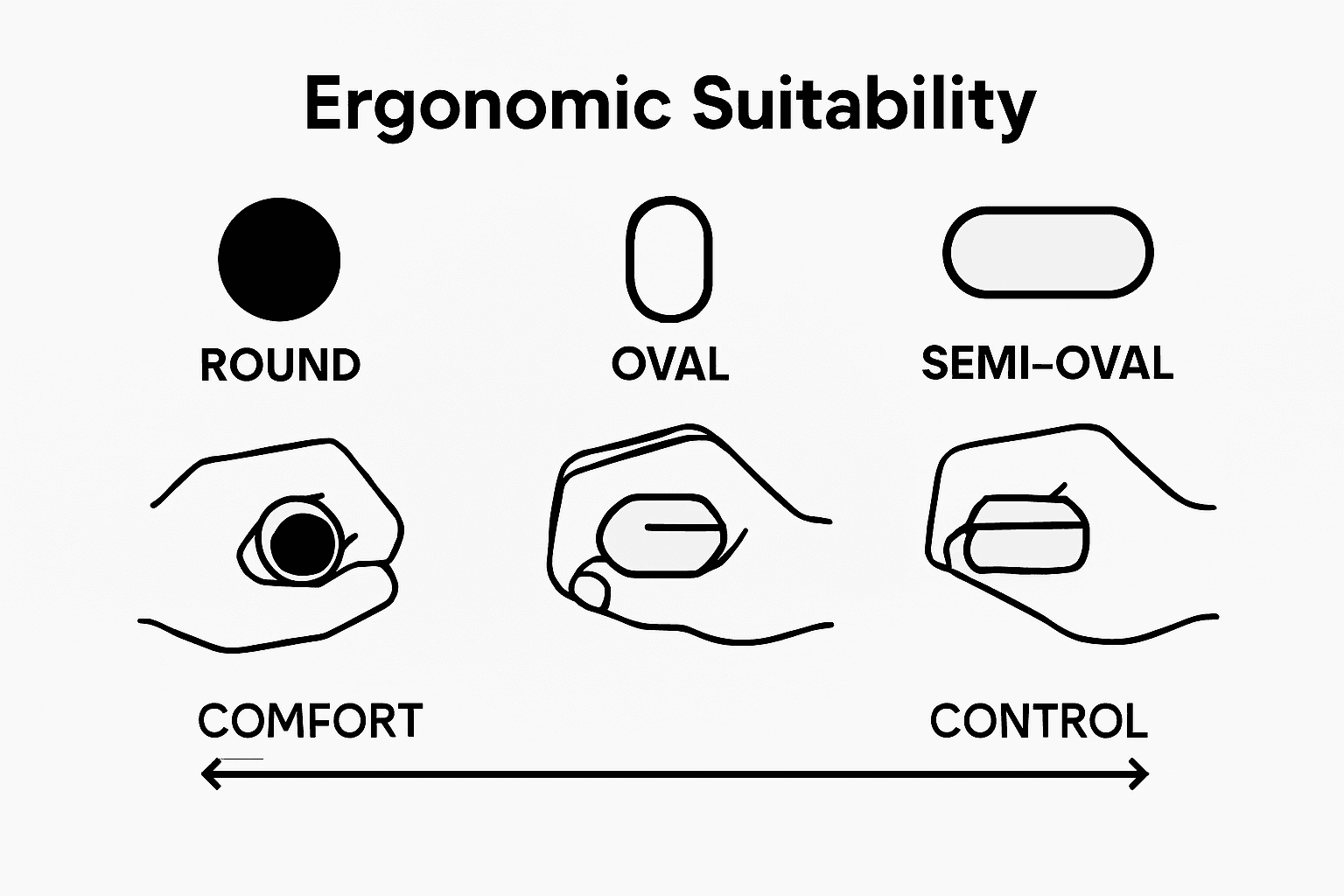
Cricket bat handles come in three primary geometric configurations: round, oval, and semi-oval, each offering unique ergonomic characteristics that influence a player’s grip, comfort, and batting performance. Understanding the subtle differences between these handle types can significantly impact a player’s technique and overall playing experience.
The round handle represents the traditional design, featuring a perfectly circular cross-section that provides uniform grip potential around the entire circumference. These handles are particularly favoured by players who prefer a more versatile grip and enjoy rotating the bat during different shot variations. Round handles offer consistent hand placement and are often recommended for younger players or those still developing their batting technique.
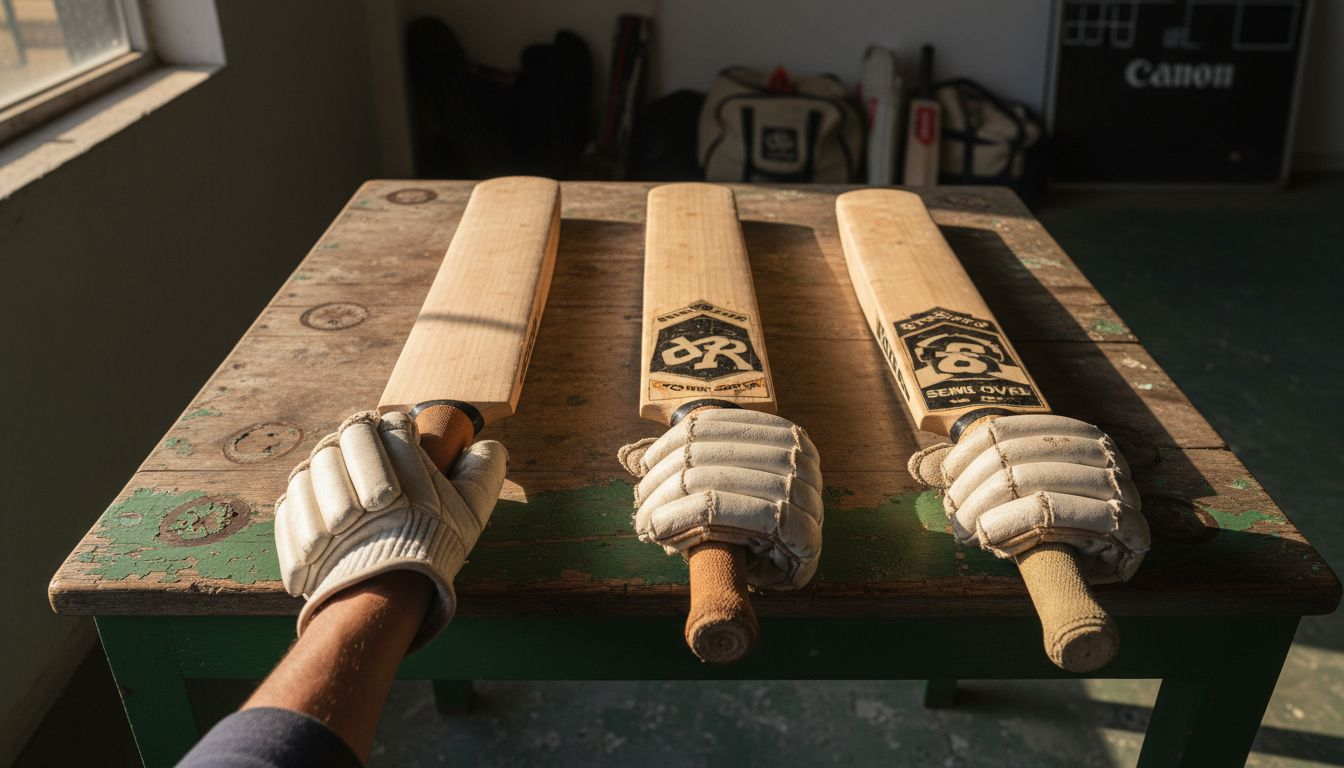
In contrast, oval handles feature a slightly flattened cross-section that mimics the natural curvature of a player’s hand. This ergonomic design provides enhanced control and reduces hand fatigue during extended batting sessions. The subtle oval shape helps align the hands more naturally, enabling better bat control and more precise shot-making. Advanced players often prefer oval handles because they provide a more intuitive connection between the player’s grip and the bat’s movement.
The semi-oval handle represents a nuanced compromise between round and oval designs. With a partially flattened profile, this handle type offers moderate ergonomic benefits while maintaining some of the flexibility of round handles. Semi-oval handles are particularly popular among intermediate players seeking a balanced grip experience that combines comfort with adaptability.
Pro Tip: Test different handle types by borrowing bats from teammates or visiting sporting equipment stores, as individual hand size and batting style significantly influence which handle geometry feels most comfortable and natural to you.
Here is a comparison of the three main cricket bat handle types and their ergonomic features:
| Handle Type | Grip Comfort | Shot Control | Recommended For |
|---|---|---|---|
| Round | Even hand pressure | Versatile shot selection | Beginners, rotating players |
| Oval | Natural hand curve | Enhanced precision | Advanced, controlled hitters |
| Semi-Oval | Moderate comfort | Balanced adaptability | Intermediate, all-rounders |
Materials and Construction Methods Compared
Cricket bat handle materials represent a sophisticated intersection of traditional craftsmanship and modern engineering, with manufacturers continuously evolving their approaches to optimise performance. Traditionally, handles are crafted from specific rattan canes sourced from Indonesia and Malaysia, each offering unique characteristics that contribute to the bat’s overall performance and feel.
Modern handle construction involves intricate combinations of cane, wood, and innovative materials like rubber strings designed to enhance shock absorption and player comfort. The primary materials used include Manau Cane from Indonesia and Sarawak Cane from Malaysia, which are carefully selected for their strength, flexibility, and vibration-dampening properties. Manufacturers employ advanced techniques such as splicing, laminating, and strategic insertion of cork or rubber inserts to create handles that provide optimal energy transfer and minimal hand fatigue.
The construction process is a delicate balance of material selection and engineering precision. Skilled craftsmen carefully layer and bond different materials, ensuring that each handle provides consistent performance across various playing conditions. Some advanced designs incorporate rubber strings within the handle’s internal structure, creating additional vibration-absorption zones that help reduce the impact shock transmitted to a player’s hands during batting.
Pro Tip: When selecting a cricket bat, carefully examine the handle’s construction and ask about the specific materials used. A well-constructed handle can significantly improve your batting comfort and reduce the risk of hand strain during long playing sessions.
This table outlines key materials used in cricket bat handles and their effect on performance:
| Material | Key Benefit | Typical Use |
|---|---|---|
| Manau Cane | Superior flexibility | Professional bat cores |
| Sarawak Cane | Extra shock absorption | Mid-range cricket bats |
| Rubber Strings | Enhanced vibration dampening | Specialised inserts |
| Cork Inserts | Lightweight feel | Custom high-comfort bats |
How Handle Design Affects Grip and Control
The intricate relationship between handle design and a player’s grip represents a critical aspect of cricket bat performance. Examining the artistry behind cricket bat construction reveals how subtle geometric and material variations can dramatically influence a player’s control and shot execution.
Grip mechanics are fundamentally determined by three primary handle characteristics: cross-sectional shape, surface texture, and material composition. The handle’s geometry directly impacts how a player’s hand interfaces with the bat, affecting rotation, wrist flexibility, and overall shot precision. Round handles provide uniform grip potential, while oval and semi-oval designs create more ergonomic contact points that align more naturally with the human hand’s anatomical structure.
Surface treatment plays an equally crucial role in grip performance. Rubber-covered handles with strategically designed texturing create friction zones that prevent slippage during high-intensity batting moments. The thickness and density of the grip material can absorb perspiration, reduce hand fatigue, and provide additional shock absorption, ultimately enhancing a player’s confidence and control during critical gameplay scenarios.
Pro Tip: Regularly inspect your bat handle’s grip condition and replace it when you notice significant wear, as a deteriorating grip can compromise your batting technique and increase the risk of unexpected bat movement during shots.
Mistakes to Avoid When Choosing Handles
Selecting the appropriate cricket bat handle requires careful consideration to prevent performance limitations and potential physical discomfort. Exploring the artistry behind cricket bat construction reveals the nuanced approach needed when choosing the right handle for individual playing styles.
Common selection errors can significantly compromise a player’s batting performance. Many players mistakenly prioritise aesthetic appeal over functional ergonomics, selecting handles that look impressive but fail to match their physical characteristics and playing technique. Beginners often make the critical mistake of choosing a handle without considering their hand size, grip strength, and batting style. A handle that feels comfortable for one player might create significant control issues for another, making personalised selection crucial.
Physical incompatibility represents another frequent pitfall in handle selection. Players frequently overlook the importance of handle weight distribution, grip texture, and shock absorption capabilities. Purchasing a handle without testing its vibration dampening properties can lead to increased hand fatigue and reduced shot precision. Additionally, neglecting to consider the handle’s material composition can result in premature wear, reduced performance, and potential injury risk during intense batting sessions.
Pro Tip: Always test multiple handle types by borrowing bats or visiting specialist cricket stores, spending at least 15-20 minutes with each handle to understand how it feels during different shot techniques and gameplay scenarios.
Find Your Perfect Cricket Bat Handle and Elevate Your Game
Choosing the right cricket bat handle is crucial for enhancing grip comfort and shot control. Whether you prefer the classic round, the ergonomic oval, or the balanced semi-oval design, understanding how handle types affect performance can transform your playing experience. At CricketBats.com, we offer a carefully selected range of cricket bats featuring diverse handle designs to suit every batter’s unique style and comfort needs.

Explore our extensive collection including premium options like New Balance Cricket Bats – Cricket Bats Com and find the handle that fits your grip perfectly. Don’t settle for anything less than a bat that complements your technique and reduces hand fatigue. Visit CricketBats.com today to compare models and enjoy fast delivery on your next performance-enhancing cricket bat.
Frequently Asked Questions
What are the main types of cricket bat handles?
Cricket bat handles primarily come in three types: round, oval, and semi-oval. Each type offers different ergonomic benefits and influences a player’s grip and control on the bat.
How does the shape of the cricket bat handle affect my performance?
The shape of the handle affects how a player’s hand interfaces with the bat, impacting grip comfort and shot precision. Round handles provide uniform grip, while oval and semi-oval designs offer more ergonomic grip options, enhancing control and reducing fatigue.
What materials are commonly used in cricket bat handles?
Cricket bat handles are often made from cane and wood, with specific types like Manau Cane and Sarawak Cane being popular due to their strength and vibration-dampening properties. Some modern handles also incorporate rubber strings for additional shock absorption.
Why is it important to test different handle types before purchasing a cricket bat?
Testing different handle types is crucial because individual hand size and batting style significantly influence comfort and control. A handle that feels right for one player may not be suitable for another, so personal testing helps ensure optimal performance.
Recommended
Most British cricket players quickly discover that the right bat handle can mean the difference between power-driven shots and frustrating hand fatigue. The science behind handle design blends tradition with modern technology, directly shaping control, comfort, and performance at the crease. With over 90 percent of professional bats still crafted from specialized canes sourced outside the United Kingdom, understanding how bat handles work is essential for players seeking a competitive edge.
Table of Contents
- Defining Cricket Bat Handles And Their Role
- Core Handle Types: Round, Oval, Semi-Oval
- Materials And Construction Methods Compared
- How Handle Design Affects Grip And Control
- Mistakes To Avoid When Choosing Handles
Key Takeaways
| Point | Details |
|---|---|
| Cricket Bat Handle Role | Handles are vital in energy transfer and vibration absorption, impacting overall performance and comfort. |
| Handle Types Matter | Choosing between round, oval, and semi-oval handles affects grip comfort and shot control based on individual playing style. |
| Material Impact on Performance | The selection of materials like Manau Cane and rubber affects shock absorption and durability, crucial for batting efficiency. |
| Avoid Common Mistakes | Players must consider hand size and grip characteristics to avoid selecting handles that compromise performance and comfort. |
Defining Cricket Bat Handles and Their Role
Cricket bat handles represent a sophisticated engineering component that connects the blade to the player’s grip, serving as a critical interface between technique and performance. Made primarily from cane and wood, these handles play a pivotal role in transferring energy, absorbing vibrations, and providing stability during batting.
The handle’s construction involves intricate design principles focused on minimising shock and maximising control. Manufacturers incorporate specific configurations of materials to absorb vibrations and enhance player comfort, ensuring that each strike feels smooth and precise. The splice, which connects the wooden blade to the cane handle, acts as a crucial transition point that determines how effectively energy transfers from bat to ball.
Most cricket bat handles feature a rubber grip covering, designed to provide players with enhanced tactile control and prevent slippage during intense batting scenarios. The handle’s composition typically includes multiple layers that work together to dampen vibrations, reduce hand fatigue, and improve overall batting performance. By strategically selecting handle materials and construction techniques, manufacturers aim to create an optimal balance between flexibility, strength, and player comfort.
Pro Tip: Always inspect your cricket bat handle for signs of wear, particularly around the splice area, as structural integrity directly impacts performance and can prevent potential equipment failure during critical match moments.
Core Handle Types: Round, Oval, Semi-Oval
Cricket bat handles come in three primary geometric configurations: round, oval, and semi-oval, each offering unique ergonomic characteristics that influence a player’s grip, comfort, and batting performance. Understanding the subtle differences between these handle types can significantly impact a player’s technique and overall playing experience.
The round handle represents the traditional design, featuring a perfectly circular cross-section that provides uniform grip potential around the entire circumference. These handles are particularly favoured by players who prefer a more versatile grip and enjoy rotating the bat during different shot variations. Round handles offer consistent hand placement and are often recommended for younger players or those still developing their batting technique.
In contrast, oval handles feature a slightly flattened cross-section that mimics the natural curvature of a player’s hand. This ergonomic design provides enhanced control and reduces hand fatigue during extended batting sessions. The subtle oval shape helps align the hands more naturally, enabling better bat control and more precise shot-making. Advanced players often prefer oval handles because they provide a more intuitive connection between the player’s grip and the bat’s movement.
The semi-oval handle represents a nuanced compromise between round and oval designs. With a partially flattened profile, this handle type offers moderate ergonomic benefits while maintaining some of the flexibility of round handles. Semi-oval handles are particularly popular among intermediate players seeking a balanced grip experience that combines comfort with adaptability.
Pro Tip: Test different handle types by borrowing bats from teammates or visiting sporting equipment stores, as individual hand size and batting style significantly influence which handle geometry feels most comfortable and natural to you.
Here is a comparison of the three main cricket bat handle types and their ergonomic features:
| Handle Type | Grip Comfort | Shot Control | Recommended For |
|---|---|---|---|
| Round | Even hand pressure | Versatile shot selection | Beginners, rotating players |
| Oval | Natural hand curve | Enhanced precision | Advanced, controlled hitters |
| Semi-Oval | Moderate comfort | Balanced adaptability | Intermediate, all-rounders |
Materials and Construction Methods Compared
Cricket bat handle materials represent a sophisticated intersection of traditional craftsmanship and modern engineering, with manufacturers continuously evolving their approaches to optimise performance. Traditionally, handles are crafted from specific rattan canes sourced from Indonesia and Malaysia, each offering unique characteristics that contribute to the bat’s overall performance and feel.
Modern handle construction involves intricate combinations of cane, wood, and innovative materials like rubber strings designed to enhance shock absorption and player comfort. The primary materials used include Manau Cane from Indonesia and Sarawak Cane from Malaysia, which are carefully selected for their strength, flexibility, and vibration-dampening properties. Manufacturers employ advanced techniques such as splicing, laminating, and strategic insertion of cork or rubber inserts to create handles that provide optimal energy transfer and minimal hand fatigue.
The construction process is a delicate balance of material selection and engineering precision. Skilled craftsmen carefully layer and bond different materials, ensuring that each handle provides consistent performance across various playing conditions. Some advanced designs incorporate rubber strings within the handle’s internal structure, creating additional vibration-absorption zones that help reduce the impact shock transmitted to a player’s hands during batting.
Pro Tip: When selecting a cricket bat, carefully examine the handle’s construction and ask about the specific materials used. A well-constructed handle can significantly improve your batting comfort and reduce the risk of hand strain during long playing sessions.
This table outlines key materials used in cricket bat handles and their effect on performance:
| Material | Key Benefit | Typical Use |
|---|---|---|
| Manau Cane | Superior flexibility | Professional bat cores |
| Sarawak Cane | Extra shock absorption | Mid-range cricket bats |
| Rubber Strings | Enhanced vibration dampening | Specialised inserts |
| Cork Inserts | Lightweight feel | Custom high-comfort bats |
How Handle Design Affects Grip and Control
The intricate relationship between handle design and a player’s grip represents a critical aspect of cricket bat performance. Examining the artistry behind cricket bat construction reveals how subtle geometric and material variations can dramatically influence a player’s control and shot execution.
Grip mechanics are fundamentally determined by three primary handle characteristics: cross-sectional shape, surface texture, and material composition. The handle’s geometry directly impacts how a player’s hand interfaces with the bat, affecting rotation, wrist flexibility, and overall shot precision. Round handles provide uniform grip potential, while oval and semi-oval designs create more ergonomic contact points that align more naturally with the human hand’s anatomical structure.
Surface treatment plays an equally crucial role in grip performance. Rubber-covered handles with strategically designed texturing create friction zones that prevent slippage during high-intensity batting moments. The thickness and density of the grip material can absorb perspiration, reduce hand fatigue, and provide additional shock absorption, ultimately enhancing a player’s confidence and control during critical gameplay scenarios.
Pro Tip: Regularly inspect your bat handle’s grip condition and replace it when you notice significant wear, as a deteriorating grip can compromise your batting technique and increase the risk of unexpected bat movement during shots.
Mistakes to Avoid When Choosing Handles
Selecting the appropriate cricket bat handle requires careful consideration to prevent performance limitations and potential physical discomfort. Exploring the artistry behind cricket bat construction reveals the nuanced approach needed when choosing the right handle for individual playing styles.
Common selection errors can significantly compromise a player’s batting performance. Many players mistakenly prioritise aesthetic appeal over functional ergonomics, selecting handles that look impressive but fail to match their physical characteristics and playing technique. Beginners often make the critical mistake of choosing a handle without considering their hand size, grip strength, and batting style. A handle that feels comfortable for one player might create significant control issues for another, making personalised selection crucial.
Physical incompatibility represents another frequent pitfall in handle selection. Players frequently overlook the importance of handle weight distribution, grip texture, and shock absorption capabilities. Purchasing a handle without testing its vibration dampening properties can lead to increased hand fatigue and reduced shot precision. Additionally, neglecting to consider the handle’s material composition can result in premature wear, reduced performance, and potential injury risk during intense batting sessions.
Pro Tip: Always test multiple handle types by borrowing bats or visiting specialist cricket stores, spending at least 15-20 minutes with each handle to understand how it feels during different shot techniques and gameplay scenarios.
Find Your Perfect Cricket Bat Handle and Elevate Your Game
Choosing the right cricket bat handle is crucial for enhancing grip comfort and shot control. Whether you prefer the classic round, the ergonomic oval, or the balanced semi-oval design, understanding how handle types affect performance can transform your playing experience. At CricketBats.com, we offer a carefully selected range of cricket bats featuring diverse handle designs to suit every batter’s unique style and comfort needs.
Explore our extensive collection including premium options like New Balance Cricket Bats – Cricket Bats Com and find the handle that fits your grip perfectly. Don’t settle for anything less than a bat that complements your technique and reduces hand fatigue. Visit CricketBats.com today to compare models and enjoy fast delivery on your next performance-enhancing cricket bat.
Frequently Asked Questions
What are the main types of cricket bat handles?
Cricket bat handles primarily come in three types: round, oval, and semi-oval. Each type offers different ergonomic benefits and influences a player’s grip and control on the bat.
How does the shape of the cricket bat handle affect my performance?
The shape of the handle affects how a player’s hand interfaces with the bat, impacting grip comfort and shot precision. Round handles provide uniform grip, while oval and semi-oval designs offer more ergonomic grip options, enhancing control and reducing fatigue.
What materials are commonly used in cricket bat handles?
Cricket bat handles are often made from cane and wood, with specific types like Manau Cane and Sarawak Cane being popular due to their strength and vibration-dampening properties. Some modern handles also incorporate rubber strings for additional shock absorption.
Why is it important to test different handle types before purchasing a cricket bat?
Testing different handle types is crucial because individual hand size and batting style significantly influence comfort and control. A handle that feels right for one player may not be suitable for another, so personal testing helps ensure optimal performance.