
News News
Cricket Bat Sizes Explained: Choosing for Peak Performance Cricket Bat Sizes Explained: Choosing for Peak Performance
Every british cricket fan knows the right bat size can make or break your performance. Choosing the perfect cricket bat is more than just a preference, it is a decision that directly affects power, timing, and comfort at the crease. In fact, over 80 percent of junior players struggle with sizing mistakes that can slow their progress. Learn how understanding bat sizes and key features provides an unmistakable edge for every level of player.
Table of Contents
- Defining Cricket Bat Sizes And Key Concepts
- Bat Size Options For Juniors And Adults
- Cricket Bat Sizing Charts And Measurements
- How Bat Size Influences Player Performance
- Common Sizing Mistakes And How To Avoid Them
Key Takeaways
| Point | Details |
|---|---|
| Cricket Bat Sizing Importance | Selecting the correct cricket bat size based on height, strength, and batting style is crucial for optimal performance. |
| Junior and Adult Specifications | Junior bats range from sizes 1 to 4, while adult bats typically range from sizes 5 to 8, requiring specific attention to player development needs. |
| Impact of Bat Characteristics | Weight distribution, handle thickness, and sweet spot location significantly influence batting performance and technique. |
| Common Sizing Errors | Avoid choosing bats solely based on age or brand; instead, focus on proper fit and individual biomechanics for improved skill development. |
Defining Cricket Bat Sizes and Key Concepts
Understanding cricket bat sizes is fundamental to selecting equipment that maximises your performance on the pitch. Bat sizing involves multiple crucial dimensions including length, weight, and profile, which collectively determine a player’s comfort and striking capability. Professional players recognise that bat design involves sophisticated materials science considerations, with modern trends showing a preference for increasingly robust and strategically weighted designs.
Cricket bats are typically categorised by numerical sizes ranging from size 1 (smallest) to size 8 (largest), corresponding to different age groups and physical capabilities. Junior players usually start with smaller sizes like 1-4, while adult players predominantly use sizes 5-8. The standard adult bat length ranges between 33-38 inches, with weight variations typically between 2.2-2.7 pounds. Professional players often prefer heavier bats weighing 40-44 ounces, which provide enhanced power and momentum during stroke play.
The critical factors in bat sizing include a player’s height, physical strength, playing style, and preferred batting technique. Willow wood remains the predominant material, with English and Kashmir willow being the most common variants. Each bat’s weight distribution, handle thickness, and sweet spot placement significantly influence a player’s batting performance. Proper bat selection requires carefully balancing these technical specifications with individual player characteristics.
Pro Tip: Cricket Bat Fitting: Always test multiple bat sizes and weights in person, paying close attention to how the bat feels during practice swings and comparing its balance and manoeuvrability to your natural batting motion.
Bat Size Options for Juniors and Adults
Selecting the appropriate cricket bat size is crucial for players across different age groups and skill levels. Comprehensive size guides demonstrate precise correlations between player characteristics and recommended bat dimensions, enabling players to make informed equipment choices that enhance their performance and comfort.
Junior players require specialised sizing strategies that accommodate their physical development. Bat sizes typically range from 1 to 4, with specific measurements tailored to different age brackets. A size 1 bat suits children aged 4-5 years, while size 4 accommodates players around 11-12 years old. These smaller bats feature reduced length and weight, ensuring younger players can maintain proper technique and control during gameplay. The handle circumference and grip thickness are also proportionally adjusted to match smaller hands and developing strength levels.
Adult cricket bat sizes predominantly span sizes 5 to 8, with standard lengths between 33-38 inches and weights ranging from 2.2 to 2.7 pounds. Professional players often prefer bats weighing 40-44 ounces, which provide enhanced power and momentum. Critical selection factors include the player’s height, physical strength, batting style, and preferred stroke techniques. The bat’s weight distribution, handle thickness, and sweet spot placement significantly influence overall batting performance.
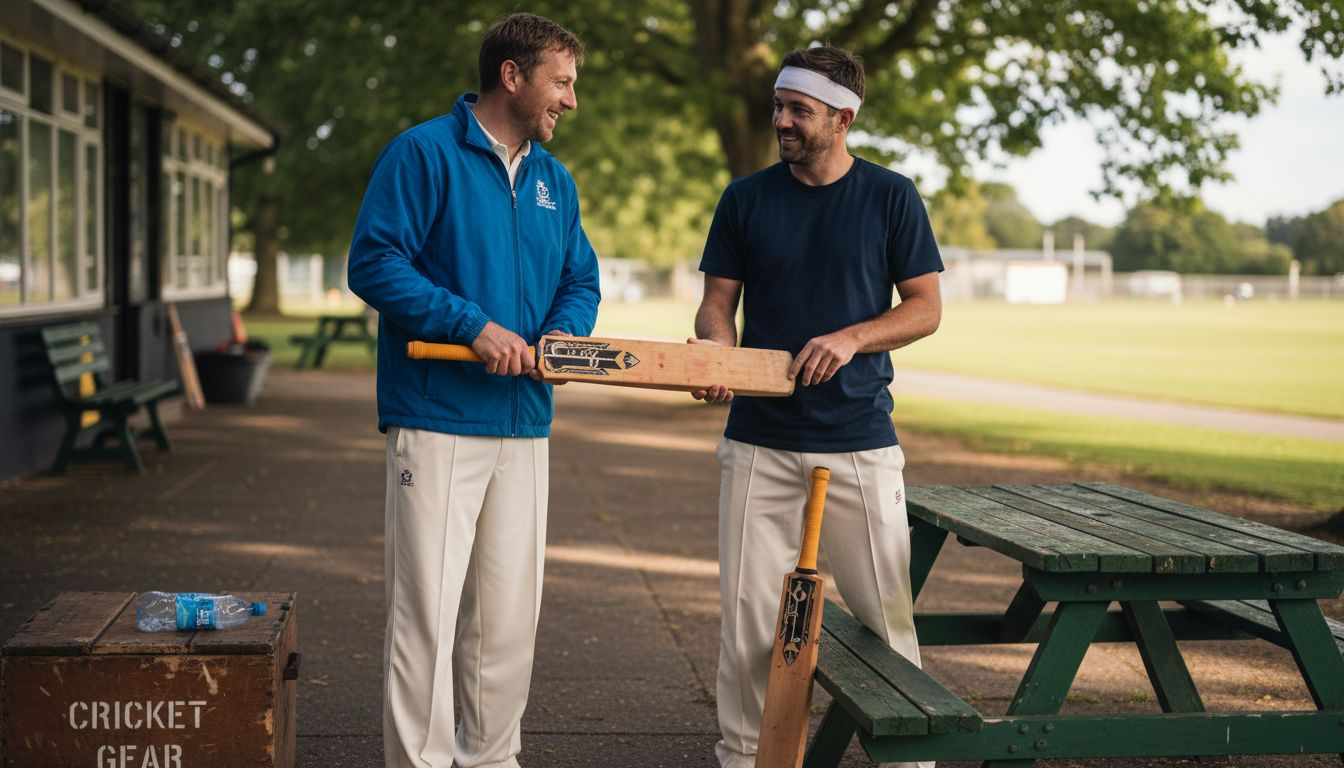
Pro Tip: Junior Bat Selection: Always prioritise a bat that allows comfortable grip and controlled swing movement over raw size specifications, ensuring the young player can develop proper batting techniques comfortably.
Here is a concise comparison of key bat characteristics for juniors and adults:
| Factor | Junior Bats | Adult Bats |
|---|---|---|
| Typical Size Range | Size 1 to Size 4 | Size 5 to Full Size |
| Standard Length | 25-31 inches | 33-38 inches |
| Average Weight | 1.8-2.2 pounds | 2.2-2.7 pounds |
| Handle Thickness | Slimmer for small hands | Standard or thick |
| Blade Width | Narrower for juniors | 4.25-4.75 inches |
| Design Focus | Control and technique | Power and reach |
Cricket Bat Sizing Charts and Measurements
Navigating cricket bat sizing requires understanding precise measurement guidelines and standardised charts that help players select the most appropriate equipment. Comprehensive sizing charts offer detailed correlations between player characteristics and recommended bat dimensions, transforming what could be a complex selection process into a straightforward decision-making exercise.
Traditional cricket bat sizing charts typically incorporate multiple critical measurements, including total length, handle length, blade width, and overall weight. These charts are usually organised into standard numerical sizes ranging from 1 to 8, with each size corresponding to specific age groups and physical development stages. For junior players, measurements concentrate on proportional scaling, ensuring the bat’s weight and dimensions match the player’s physical capabilities. An ideal junior bat will allow comfortable grip, proper swing mechanics, and sufficient control during gameplay.
Adult cricket bat measurements follow more nuanced parameters. Standard adult bats range between 33-38 inches in length, with blade widths typically spanning 4.25-4.75 inches. Professional players often select bats with precise weight distributions, considering factors like pickup weight, balance point, and sweet spot location. The handle’s construction plays a crucial role, with most handles featuring a octopus-style grip that provides enhanced control and reduces vibration during impact. Experienced players understand that millimetre-level variations in bat measurements can significantly influence batting performance and technique.
Pro Tip: Bat Measurement Strategy: Always measure your bat from the heel to the top of the shoulder, and remember that the perfect bat feels like a natural extension of your body rather than just a piece of sporting equipment.
How Bat Size Influences Player Performance
Cricket bat size plays a pivotal role in determining a player’s overall performance, with subtle variations potentially transforming batting technique and power generation. Scientific research demonstrates that bat design and weight significantly impact ball velocity and player energy expenditure, revealing the complex relationship between equipment characteristics and athletic performance.
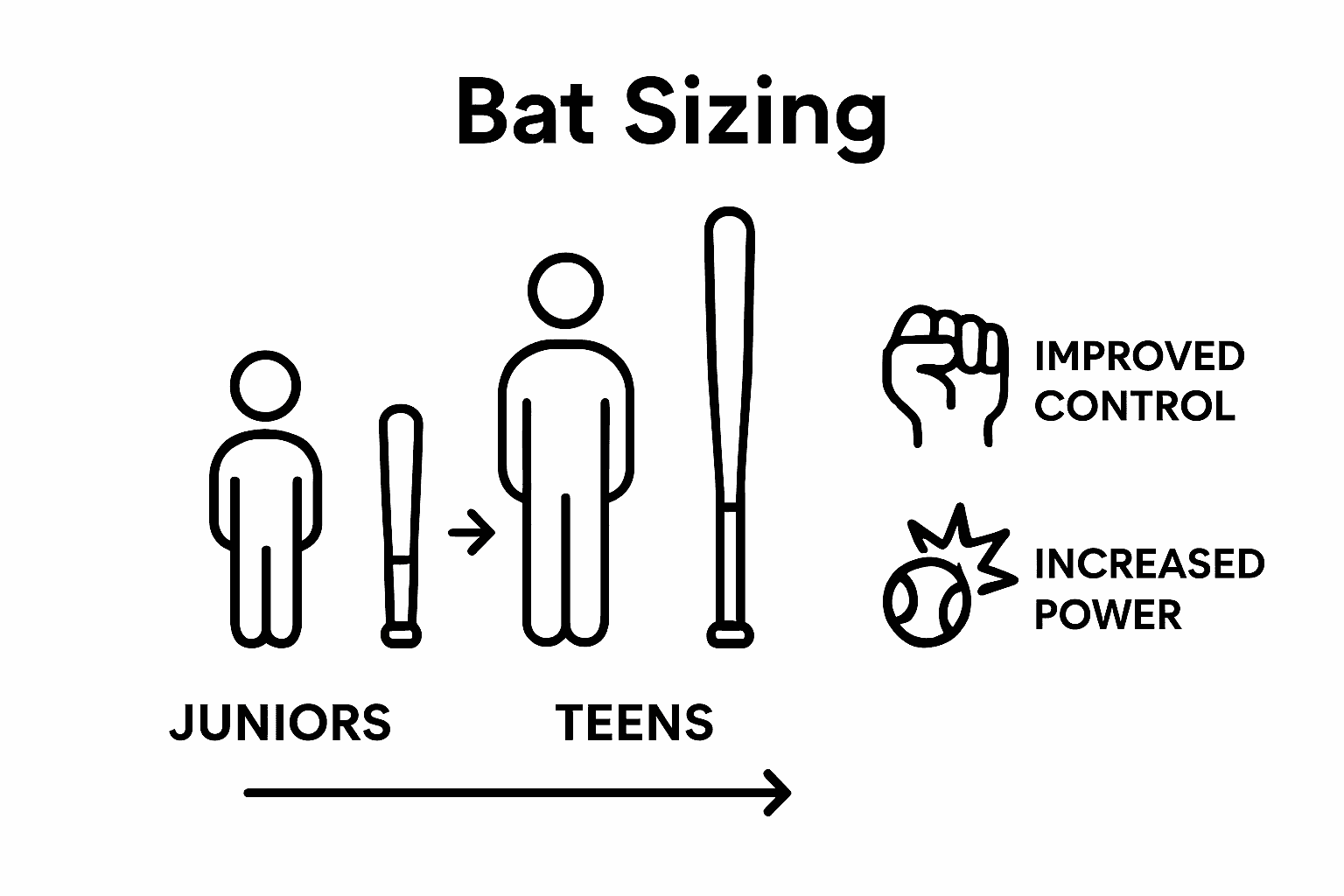
The bat’s weight distribution directly influences a player’s striking power and timing. Heavier bats between 40-44 ounces can generate substantial momentum, enabling more forceful shots, but simultaneously demand greater physical strength and technical precision. Professional players understand that bat weight affects not just raw power, but also shot control, backlift speed, and overall batting rhythm. A bat that is too heavy can lead to reduced bat speed, compromised shot execution, and increased player fatigue during extended innings.
Bat size interacts dynamically with individual player biomechanics, creating a nuanced relationship between physical capability and equipment performance. Factors such as handle thickness, blade width, and weight balance contribute to a bat’s responsiveness. Experienced players often select bats that feel like natural extensions of their body, with pickup weight and balance point being as crucial as absolute mass. Junior and amateur players must pay particular attention to these subtle characteristics, recognising that a perfectly sized bat can compensate for variations in individual technique and physical development.
Pro Tip: Performance Matching: Always test multiple bat sizes during practice sessions, focusing on how each bat feels during your natural batting motion rather than solely considering standardised specifications.
Common Sizing Mistakes and How to Avoid Them
Selecting the right cricket bat size can be a complex process fraught with potential errors that compromise player performance. Comprehensive equipment guides emphasise the critical importance of precise measurements and thoughtful selection strategies, highlighting the nuanced approach required to avoid common sizing pitfalls.
One of the most prevalent mistakes players make is selecting a bat based solely on age or generic size recommendations. Junior and amateur players frequently choose bats that are either too heavy or too long, severely limiting their technical development. Oversized bats can restrict proper swing mechanics, reduce bat speed, and create compensatory techniques that undermine fundamental batting skills. Conversely, undersized bats limit power generation and reduce the effective striking surface, potentially stunting a player’s ability to develop consistent shot-making techniques.
Professional coaches identify several critical sizing errors that players must consciously avoid. These include neglecting personal biomechanics, ignoring individual strength levels, and failing to consider playing style when selecting a bat. Weight distribution, handle grip, and balance point are equally important as absolute length and mass. Players must understand that a bat is not a one-size-fits-all piece of equipment but a precision tool that should complement individual physical characteristics and technical capabilities. Beginners often make the mistake of prioritising aesthetic appeal or brand reputation over functional fit, a choice that can significantly impede skill progression.
Below is a summary of common sizing mistakes and their direct impact on performance:
| Mistake Type | Description | Impact on Performance |
|---|---|---|
| Oversized Bat Chosen | Bat is too long or heavy for the player | Reduces swing speed and control |
| Ignoring Grip Comfort | Handle too thick or thin for hand size | Causes discomfort, poor grip |
| Neglecting Playing Style | Bat unsuited to preferred batting approach | Limits technique development |
| Following Brand Alone | Selection based mainly on brand/looks | Overlooks functional fit |
Pro Tip: Sizing Precision: Always conduct multiple test swings with potential bats, focusing on how naturally the bat moves with your body and how comfortable you feel during different batting motions.
Find Your Perfect Cricket Bat Size for Peak Performance Today
Choosing the right cricket bat size is crucial to unlocking your full potential on the pitch. Whether you are a junior learning the fundamentals or an adult aiming for power and precision, understanding proper bat length, weight, and handle dimensions makes all the difference. The challenges of selecting a bat that complements your height, strength, and playing style are addressed with ease at Junior Cricket Bats | Cheap Junior Cricket Bats – Cricket Bats Com and adidas Cricket Bats – Cricket Bats Com where expert recommendations meet quality craftsmanship.

Don’t compromise on your comfort or technique by guessing your ideal bat size. Visit cricketbats.com now to explore an extensive collection tailored to diverse players. Benefit from precise sizing guidance, trusted brands, and free shipping to ensure your new cricket bat feels like a natural extension of your body from the very first swing. Take action today and elevate your game with your perfectly sized cricket bat.
Frequently Asked Questions
What size cricket bat should I choose as a junior player?
Junior players typically choose bat sizes ranging from 1 to 4, depending on their age and physical development. A size 1 bat is suitable for children aged 4-5 years, while a size 4 bat accommodates players around 11-12 years old.
How does bat weight affect my performance in cricket?
Bat weight impacts a player’s striking power and swing speed. Heavier bats (40-44 ounces) generate more momentum for powerful shots but require greater physical strength and control. If a bat is too heavy, it can reduce swing speed and hamper shot execution.
Why is it important to consider bat length when selecting cricket equipment?
Bat length affects the player’s comfort and technique. Standard adult bats range from 33-38 inches, and choosing the correct length ensures proper grip, swing mechanics, and effective striking area, allowing for improved shot-making skills.
What common mistakes should I avoid when sizing a cricket bat?
Players often make sizing mistakes like selecting bats based solely on age, choosing overly heavy or long bats, neglecting grip comfort, or ignoring personal playing style. These errors can seriously impact swing speed, control, and overall batting performance.
Recommended
- Cricket Bat Sizes Explained: Choosing the Ideal Fit – Cricket Bats Com
- The Essentials of Making a Cricket Bat With Artistry – Cricket Bats Com
- Understanding GM Cricket Bats Price Variations – Cricket Bats Com
- Choosing Your Cricket Bat – Cricket Bats Com
- Everything you need to know about choosing guitar sizes | MusicStreet
Every british cricket fan knows the right bat size can make or break your performance. Choosing the perfect cricket bat is more than just a preference, it is a decision that directly affects power, timing, and comfort at the crease. In fact, over 80 percent of junior players struggle with sizing mistakes that can slow their progress. Learn how understanding bat sizes and key features provides an unmistakable edge for every level of player.
Table of Contents
- Defining Cricket Bat Sizes And Key Concepts
- Bat Size Options For Juniors And Adults
- Cricket Bat Sizing Charts And Measurements
- How Bat Size Influences Player Performance
- Common Sizing Mistakes And How To Avoid Them
Key Takeaways
| Point | Details |
|---|---|
| Cricket Bat Sizing Importance | Selecting the correct cricket bat size based on height, strength, and batting style is crucial for optimal performance. |
| Junior and Adult Specifications | Junior bats range from sizes 1 to 4, while adult bats typically range from sizes 5 to 8, requiring specific attention to player development needs. |
| Impact of Bat Characteristics | Weight distribution, handle thickness, and sweet spot location significantly influence batting performance and technique. |
| Common Sizing Errors | Avoid choosing bats solely based on age or brand; instead, focus on proper fit and individual biomechanics for improved skill development. |
Defining Cricket Bat Sizes and Key Concepts
Understanding cricket bat sizes is fundamental to selecting equipment that maximises your performance on the pitch. Bat sizing involves multiple crucial dimensions including length, weight, and profile, which collectively determine a player’s comfort and striking capability. Professional players recognise that bat design involves sophisticated materials science considerations, with modern trends showing a preference for increasingly robust and strategically weighted designs.
Cricket bats are typically categorised by numerical sizes ranging from size 1 (smallest) to size 8 (largest), corresponding to different age groups and physical capabilities. Junior players usually start with smaller sizes like 1-4, while adult players predominantly use sizes 5-8. The standard adult bat length ranges between 33-38 inches, with weight variations typically between 2.2-2.7 pounds. Professional players often prefer heavier bats weighing 40-44 ounces, which provide enhanced power and momentum during stroke play.
The critical factors in bat sizing include a player’s height, physical strength, playing style, and preferred batting technique. Willow wood remains the predominant material, with English and Kashmir willow being the most common variants. Each bat’s weight distribution, handle thickness, and sweet spot placement significantly influence a player’s batting performance. Proper bat selection requires carefully balancing these technical specifications with individual player characteristics.
Pro Tip: Cricket Bat Fitting: Always test multiple bat sizes and weights in person, paying close attention to how the bat feels during practice swings and comparing its balance and manoeuvrability to your natural batting motion.
Bat Size Options for Juniors and Adults
Selecting the appropriate cricket bat size is crucial for players across different age groups and skill levels. Comprehensive size guides demonstrate precise correlations between player characteristics and recommended bat dimensions, enabling players to make informed equipment choices that enhance their performance and comfort.
Junior players require specialised sizing strategies that accommodate their physical development. Bat sizes typically range from 1 to 4, with specific measurements tailored to different age brackets. A size 1 bat suits children aged 4-5 years, while size 4 accommodates players around 11-12 years old. These smaller bats feature reduced length and weight, ensuring younger players can maintain proper technique and control during gameplay. The handle circumference and grip thickness are also proportionally adjusted to match smaller hands and developing strength levels.
Adult cricket bat sizes predominantly span sizes 5 to 8, with standard lengths between 33-38 inches and weights ranging from 2.2 to 2.7 pounds. Professional players often prefer bats weighing 40-44 ounces, which provide enhanced power and momentum. Critical selection factors include the player’s height, physical strength, batting style, and preferred stroke techniques. The bat’s weight distribution, handle thickness, and sweet spot placement significantly influence overall batting performance.
Pro Tip: Junior Bat Selection: Always prioritise a bat that allows comfortable grip and controlled swing movement over raw size specifications, ensuring the young player can develop proper batting techniques comfortably.
Here is a concise comparison of key bat characteristics for juniors and adults:
| Factor | Junior Bats | Adult Bats |
|---|---|---|
| Typical Size Range | Size 1 to Size 4 | Size 5 to Full Size |
| Standard Length | 25-31 inches | 33-38 inches |
| Average Weight | 1.8-2.2 pounds | 2.2-2.7 pounds |
| Handle Thickness | Slimmer for small hands | Standard or thick |
| Blade Width | Narrower for juniors | 4.25-4.75 inches |
| Design Focus | Control and technique | Power and reach |
Cricket Bat Sizing Charts and Measurements
Navigating cricket bat sizing requires understanding precise measurement guidelines and standardised charts that help players select the most appropriate equipment. Comprehensive sizing charts offer detailed correlations between player characteristics and recommended bat dimensions, transforming what could be a complex selection process into a straightforward decision-making exercise.
Traditional cricket bat sizing charts typically incorporate multiple critical measurements, including total length, handle length, blade width, and overall weight. These charts are usually organised into standard numerical sizes ranging from 1 to 8, with each size corresponding to specific age groups and physical development stages. For junior players, measurements concentrate on proportional scaling, ensuring the bat’s weight and dimensions match the player’s physical capabilities. An ideal junior bat will allow comfortable grip, proper swing mechanics, and sufficient control during gameplay.
Adult cricket bat measurements follow more nuanced parameters. Standard adult bats range between 33-38 inches in length, with blade widths typically spanning 4.25-4.75 inches. Professional players often select bats with precise weight distributions, considering factors like pickup weight, balance point, and sweet spot location. The handle’s construction plays a crucial role, with most handles featuring a octopus-style grip that provides enhanced control and reduces vibration during impact. Experienced players understand that millimetre-level variations in bat measurements can significantly influence batting performance and technique.
Pro Tip: Bat Measurement Strategy: Always measure your bat from the heel to the top of the shoulder, and remember that the perfect bat feels like a natural extension of your body rather than just a piece of sporting equipment.
How Bat Size Influences Player Performance
Cricket bat size plays a pivotal role in determining a player’s overall performance, with subtle variations potentially transforming batting technique and power generation. Scientific research demonstrates that bat design and weight significantly impact ball velocity and player energy expenditure, revealing the complex relationship between equipment characteristics and athletic performance.
The bat’s weight distribution directly influences a player’s striking power and timing. Heavier bats between 40-44 ounces can generate substantial momentum, enabling more forceful shots, but simultaneously demand greater physical strength and technical precision. Professional players understand that bat weight affects not just raw power, but also shot control, backlift speed, and overall batting rhythm. A bat that is too heavy can lead to reduced bat speed, compromised shot execution, and increased player fatigue during extended innings.
Bat size interacts dynamically with individual player biomechanics, creating a nuanced relationship between physical capability and equipment performance. Factors such as handle thickness, blade width, and weight balance contribute to a bat’s responsiveness. Experienced players often select bats that feel like natural extensions of their body, with pickup weight and balance point being as crucial as absolute mass. Junior and amateur players must pay particular attention to these subtle characteristics, recognising that a perfectly sized bat can compensate for variations in individual technique and physical development.
Pro Tip: Performance Matching: Always test multiple bat sizes during practice sessions, focusing on how each bat feels during your natural batting motion rather than solely considering standardised specifications.
Common Sizing Mistakes and How to Avoid Them
Selecting the right cricket bat size can be a complex process fraught with potential errors that compromise player performance. Comprehensive equipment guides emphasise the critical importance of precise measurements and thoughtful selection strategies, highlighting the nuanced approach required to avoid common sizing pitfalls.
One of the most prevalent mistakes players make is selecting a bat based solely on age or generic size recommendations. Junior and amateur players frequently choose bats that are either too heavy or too long, severely limiting their technical development. Oversized bats can restrict proper swing mechanics, reduce bat speed, and create compensatory techniques that undermine fundamental batting skills. Conversely, undersized bats limit power generation and reduce the effective striking surface, potentially stunting a player’s ability to develop consistent shot-making techniques.
Professional coaches identify several critical sizing errors that players must consciously avoid. These include neglecting personal biomechanics, ignoring individual strength levels, and failing to consider playing style when selecting a bat. Weight distribution, handle grip, and balance point are equally important as absolute length and mass. Players must understand that a bat is not a one-size-fits-all piece of equipment but a precision tool that should complement individual physical characteristics and technical capabilities. Beginners often make the mistake of prioritising aesthetic appeal or brand reputation over functional fit, a choice that can significantly impede skill progression.
Below is a summary of common sizing mistakes and their direct impact on performance:
| Mistake Type | Description | Impact on Performance |
|---|---|---|
| Oversized Bat Chosen | Bat is too long or heavy for the player | Reduces swing speed and control |
| Ignoring Grip Comfort | Handle too thick or thin for hand size | Causes discomfort, poor grip |
| Neglecting Playing Style | Bat unsuited to preferred batting approach | Limits technique development |
| Following Brand Alone | Selection based mainly on brand/looks | Overlooks functional fit |
Pro Tip: Sizing Precision: Always conduct multiple test swings with potential bats, focusing on how naturally the bat moves with your body and how comfortable you feel during different batting motions.
Find Your Perfect Cricket Bat Size for Peak Performance Today
Choosing the right cricket bat size is crucial to unlocking your full potential on the pitch. Whether you are a junior learning the fundamentals or an adult aiming for power and precision, understanding proper bat length, weight, and handle dimensions makes all the difference. The challenges of selecting a bat that complements your height, strength, and playing style are addressed with ease at Junior Cricket Bats | Cheap Junior Cricket Bats – Cricket Bats Com and adidas Cricket Bats – Cricket Bats Com where expert recommendations meet quality craftsmanship.
Don’t compromise on your comfort or technique by guessing your ideal bat size. Visit cricketbats.com now to explore an extensive collection tailored to diverse players. Benefit from precise sizing guidance, trusted brands, and free shipping to ensure your new cricket bat feels like a natural extension of your body from the very first swing. Take action today and elevate your game with your perfectly sized cricket bat.
Frequently Asked Questions
What size cricket bat should I choose as a junior player?
Junior players typically choose bat sizes ranging from 1 to 4, depending on their age and physical development. A size 1 bat is suitable for children aged 4-5 years, while a size 4 bat accommodates players around 11-12 years old.
How does bat weight affect my performance in cricket?
Bat weight impacts a player’s striking power and swing speed. Heavier bats (40-44 ounces) generate more momentum for powerful shots but require greater physical strength and control. If a bat is too heavy, it can reduce swing speed and hamper shot execution.
Why is it important to consider bat length when selecting cricket equipment?
Bat length affects the player’s comfort and technique. Standard adult bats range from 33-38 inches, and choosing the correct length ensures proper grip, swing mechanics, and effective striking area, allowing for improved shot-making skills.
What common mistakes should I avoid when sizing a cricket bat?
Players often make sizing mistakes like selecting bats based solely on age, choosing overly heavy or long bats, neglecting grip comfort, or ignoring personal playing style. These errors can seriously impact swing speed, control, and overall batting performance.
Recommended
- Cricket Bat Sizes Explained: Choosing the Ideal Fit – Cricket Bats Com
- The Essentials of Making a Cricket Bat With Artistry – Cricket Bats Com
- Understanding GM Cricket Bats Price Variations – Cricket Bats Com
- Choosing Your Cricket Bat – Cricket Bats Com
- Everything you need to know about choosing guitar sizes | MusicStreet